


Data Enablement for Real Estate & Construction

Data Enablement for Real Estate & Construction Companies

Ask your business a question. Get the answer from your own data.

ORIL unifies your PMS, ERP, project, financial, and document systems into one structured data model, then adds AI that answers your teams’ questions, citing the source records behind every answer.

Data Enablement for Real Estate & Construction
The Problem

Answers Scattered Across a Dozen Systems

Real estate and construction teams run on separate operational, financial, project, and document systems. Each holds part of the picture, but none shows the whole business.

The result:

  • Leaders wait days for answers to simple questions.
  • Analysts rebuild the same reports every month.
  • Asset data conflicts across systems.
  • Project knowledge and handover records are buried in documents and contractor platforms.
  • AI initiatives stall because the data isn’t connected.

More data doesn’t help if no one can find it or trust it.

The Solution

One Connected Data Layer, Powered by AI

Data enablement means making your business data usable. Instead of adding another tool, ORIL connects the systems you already use, such as PMS, ERP, project tools, and document stores, and structures their data into one model. AI then works on that connected business data, not isolated files, so your teams can search, analyze, and act on it in plain language.

Who this is for:

  • Property management companies
  • Smart building and IoT operators
  • Brokerages and listing platforms
  • Real estate investment and portfolio managers
  • Design and architecture firms
  • Construction companies
  • PropTech companies building data-driven products

From Scattered Data to Insights Your Teams Can Use

1
Discovery & Mapping
2
Integration & Storage
3
Data Enrichment
4
Insights: AI & Reporting
5
Process Automation

Identify relevant systems and data sources, understand key data relationships, and prioritize valuable use cases. This includes interviewing business leaders and data owners and reviewing existing processes and tools.

The assessment covers:

  • Data sources mapping: systems, data stores, and data owner interviews
  • Data quality, gaps, and dependencies
  • Data export cost & effort estimate (e.g., some PMSs have paid data export licenses)

Delivery: Final data map and project implementation estimate.

  • Connect PMS, ERP, CRM, BIM, spreadsheets, IoT, and external data sources through APIs, exports, or direct database access. 
  • Clean and normalize records into a unified real estate data model covering properties, projects, people, finance, operations, ESG, documents, and more.
  • Store data in a central repository, deployed in your cloud (AWS, Azure, or Google Cloud) where needed.
  • Refresh and back up data automatically on an agreed schedule

Result: One consistent view of every asset, project, and lease.

Enrich your records with third-party and public data to fill information gaps and build more complete profiles of properties, owners, and assets

  • Ownership, equity, and mortgage details
  • Valuations, rental comps, and transaction history
  • Market, location, and neighborhood trends
  • Seller, buyer, and investor signals

Data comes from providers such as Cotality, BatchData, Dwellsy, InfoPay, and RealEstateAPI, chosen by geography, asset type, and use case. Enriched records are mapped to your data model and updated automatically.

AI works across your connected, structured data, so teams can find information, get insights, and complete tasks by asking in plain English. Access follows the permissions you set for each role.

  • Dashboards and reports: consistent KPIs, data visualization, and report exports.
  • Natural-language assistant: search company data with source references.
  • Predictive analytics: forecasts for occupancy, costs, maintenance, and energy use.

Start with one or two high-value use cases and expand across teams, data sources and workflows.

Examples of what teams automate first:

  • Document intelligence: extract terms, dates, and figures from leases and contracts
  • Alerts: flag lease expiries, budget overruns, and missed milestones
  • Automated reporting: recurring board, investor, and portfolio reports, drafted by AI
  • Custom AVM and cost models: valuations, remodeling, and cost calculations
  • Lead and listing scoring: rank owners and listings by likelihood to sell or invest
  • Predictive maintenance: spot equipment likely to need attention
  • Portals and custom apps: secure tools for investors, partners, and internal teams

*Scope is tailored to your systems, data volume, use cases, and security requirements.

See What Data Enablement Could Look Like for Your Business

Identify where your data is fragmented, what can be connected, and which use case could deliver value first.

Works With the Systems You Already Run

Your existing systems remain the systems of record while ORIL connects and structures information across them.
Property Management Systems

Leases, tenants, units, rent roll, maintenance

Logos of five software companies: AppFolio, RealPage, Buildium, Yardi, and MRI Software displayed in a horizontal row

CRM

Contacts, deals, investor relationships

Logos of five CRM and marketing platforms: Salesforce, HubSpot, Follow Up Boss, BoomTown, and Zoho CRM

Real Estate & Market Data

Ownership, mortgages, valuations, rental comps, transactions, and market indices

Logos of six API services: Cherre, Cotality, BatchService, Dwellsy, InfoPay, and RealEstateAPI displayed in a horizontal row

ERP & Financial Systems

Budgets, forecasts, general ledger, consolidation

SAP, Oracle NetSuite, Microsoft Dynamics, and Sage Intacct logos displaying integrated accounting software platforms

Construction & BIM

Models, drawings, schedules, RFIs, cost data

Procore, Autodesk Construction Cloud, and Oracle Primavera software logos displayed side by side

Documents & File Storage

Contracts, permits, reports, O&M manuals

SharePoint, Google Drive, and Dropbox cloud storage service logos with labels

Project Management

Progress, tasks, change orders, project data

Office Suites & Email

Spreadsheets, presentations, correspondence

IoT & Smart Buildings

Sensors, BMS, access control, energy data

Asset Registers & O&M Platforms

Asset registers, COBie handover data, O&M records

Regulatory & ESG Data

Permits, zoning, certifications, carbon and energy data

Other Internal Systems

HR, legal, procurement and other business data

Using a system not listed? If it has an API, an export or a database, we can assess how to connect it, subject to access, licensing and data availability. Data that isn’t in any system yet, such as paper records or off-site archives, is flagged during Discovery so you know exactly what’s missing.

The Right Answers for Every Team

The same data can answer different questions across your organization. Role-based access helps each team find the information relevant to its work.

Executive Leadership
Investment Team
Development & Construction
Property Management
Finance Team
ESG & Sustainability

Example question:

“Show occupancy trends across our multifamily portfolio and list the assets with falling occupancy or expiring leases.”

What it supports: Faster portfolio visibility and strategic insight.

Example question:

“Which assets are underperforming their underwriting assumptions?”

What it supports: Faster asset analysis and due diligence.

Example question:

“Which active projects are over budget, and what’s driving it?”

What it supports: Earlier visibility into cost and schedule risks.

Example question:

“List maintenance issues open for more than 30 days, by building.”

What it supports: Less manual tracking and faster response.

Example question:

“Compare Q3 operating expenses by property against budget.”

What it supports: More efficient reporting and variance analysis.

Example question:

“What’s our energy intensity by asset versus last year?”

What it supports: Faster access to consistent sustainability data.

Value to Your Business

Connected, structured data becomes an asset that supports growth, efficiency, and compliance.
  • Higher enterprise value: structured data becomes a documented business asset.
  • Easier due diligence and refinancing: organized, verifiable data is ready to share.
  • Lower operating costs: less manual reporting and reconciliation.
  • Faster decisions: answers come from connected data, not manual requests.
  • New growth: AI tools, products & services built on your data.
  • ESG reporting: track emissions, energy use, and compliance data in one place.
  • Full lifecycle visibility: connect data from suppliers to development to management.
Turn Your Existing Data Into Something Teams Can Use

Start with the use case that matters most to your business and identify what it would take to make it work.

Built by a Team That Knows Real Estate Data

10+

years building custom software and data solutions

100+

products delivered across Real Estate, PropTech, ConstructionTech, and GreenTech

Hands-on experience

with PMS, MLS, construction, IoT, and real estate data provider integrations

Experience Across Real Estate, Construction and Data Platforms

ORIL builds software solutions that connect systems, structure complex data, and support business workflows across real estate and construction.

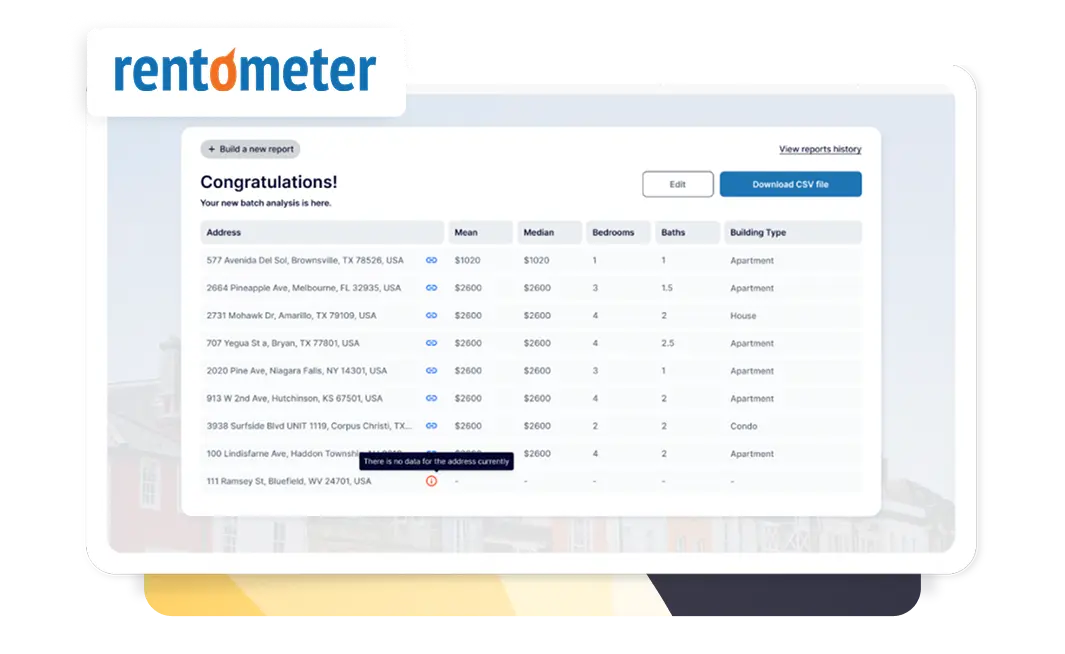
Rentometer

Rental Data Platform

Learn More
Rentometer

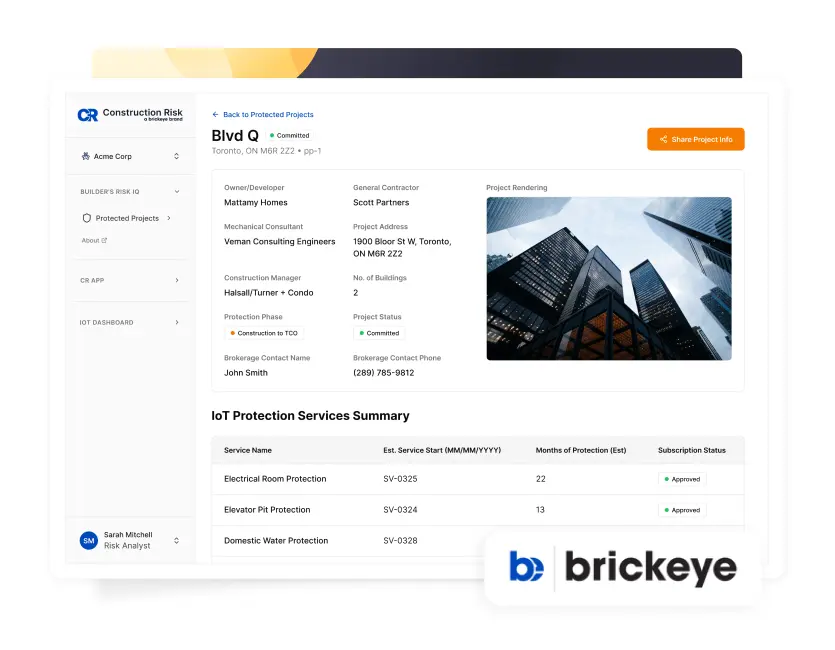
Brickeye: BuildersRiskIQ™

Construction Risk Management Platform

Learn More
Brickeye: BuildersRiskIQ™

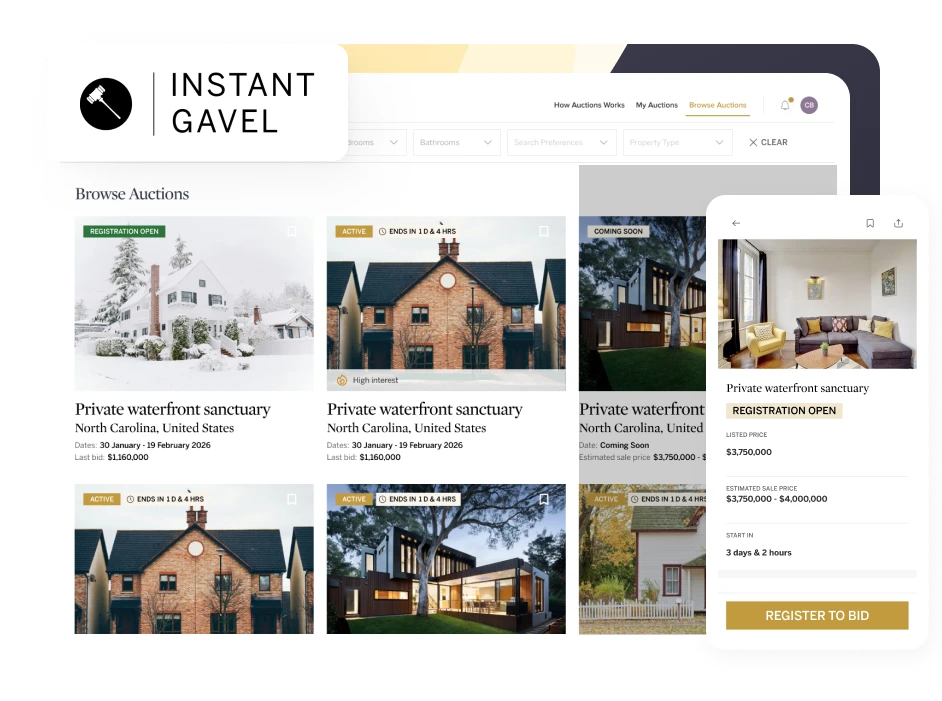
Real Estate Bidding Platform

Auction-Based Property Marketplace

Learn More
Real Estate Bidding Platform

Robins & Morton

Construction Innovation Dashboard

Learn More
Robins & Morton

gReenvision

Energy Usage

Learn More
gReenvision

Concierge Auctions

Instant Gavel: Real Estate Auction Platform

Learn More
Concierge Auctions

AI Analytics Assistant

Chat Bot With Enhanced Data Visualization

Learn More
AI Analytics Assistant

Parity

Energy Management for Buildings

Learn More
Parity

Hear From Our Clients

Delivering Quality and Results: ORIL’s Impact
Richard Liang, CTO at Brickeye

Brickeye serve the construction industry by providing IoT technologies to help construction improve their productivity, reduce the risk…

How Software Can Save Our Planet
Lauren Kuntz, Founder of gReenvision Energy

gReenvision is a platform that enables individuals to envision a future without carbon dioxide emissions…

Find Out What Your Data Can Already Tell You

In a 30-minute assessment, we'll look at your key systems, identify a high-value starting use case, and outline what a pilot could involve.

FAQ

What is data enablement for real estate?

It’s the work of turning scattered business data into something teams can use. For a real estate or construction company, that means bringing PMS, ERP, project, and document data into one model, so teams can search, report, and use AI on it, with every answer traced to its source.

What can the AI layer do for real estate and construction teams?

It gives your teams one place to find information, track performance, and automate routine work, using your own connected data. Depending on scope, it can include:

  • Natural-language search: ask questions in plain English and get answers linked to source records and documents.
  • AI assistants: draft board updates, project summaries, and investor reports.
  • Document intelligence: extract terms, dates, and figures from leases, contracts, permits, and O&M manuals.
  • Dashboards and predictive analytics: KPIs and forecasts for occupancy, costs, maintenance, and energy use.
  • Workflow automation: alerts, reports, and tasks triggered by events like a lease expiry or budget variance.
  • Custom applications: internal tools for specific teams, built on the same data foundation.

Scope depends on your data, priorities, and business requirements.

Which systems can you connect?

Most systems real estate and construction companies use, including PMS, ERP, CRM, construction, document, IoT, and data provider platforms. If a system has an API, export, or database, we can assess how to connect it, subject to access and licensing.

What if our data is incomplete or messy?

That’s where the process starts. During Discovery, we map what data exists, where it lives, how reliable it is, and what’s missing. Every source is marked as known, assumed or unknown, so you see the real picture, including records held off-site or by third parties. The data is then cleaned, mapped, and structured according to the priorities and scope of the project.

How accurate are the AI answers?

Answer quality depends on the quality, coverage, and freshness of connected data, as well as the AI architecture and use case. Source references and validation workflows can help users check answers. They do not guarantee the underlying data is correct, and the system can only answer from what is connected. Human review can be included for sensitive or high-impact processes.

What do you need from us to get started?

Not much. ORIL handles discovery, integration, data structuring, AI implementation, and rollout, so you don’t need internal engineers. From your side, we need:

  • A project sponsor: one leader who sets priorities and approves key decisions.
  • System and data owners: people who know your PMS, ERP, and other tools, and where the data lives.
  • Business users: a few people from the teams that will use the solution, to define use cases and test results.
  • An IT or security contact: to approve access and confirm security requirements.
  • System access: read access to the relevant systems, APIs, databases, or data exports, shared securely.

Involvement is highest during Discovery and testing. Exact roles and time depend on your systems and project scope.

Can PropTech companies benefit from data enablement?

Yes. PropTech companies can use it as an internal knowledge layer or as a data and AI foundation for new product features, customer-facing assistants, and data-driven services. Product use cases add requirements such as external-user permissions, reliability, scalability and data licensing, which are scoped separately.

How do you keep our data secure?

Your data stays under your control. The setup is agreed during Discovery and can include:

  • Deployment in your cloud: AWS, Azure, or Google Cloud, where it suits the project.
  • Access controls: permissions set around your security requirements, so each team sees only what it should.
  • Traceable answers: every AI answer links back to its source records or documents.
  • Your existing governance: current systems and data governance processes stay in place.

Specific controls, data retention, and logging are agreed per project.