
Replace fragmented systems and manual workarounds with technology that actually moves your business forward. ORIL helps real estate companies assess legacy systems, redesign workflows, connect fragmented data, automate processes, and implement scalable digital solutions — from strategy and architecture to development, integration, and optimization.
Talk to Digital Transformation Experts
ORIL helps real estate companies plan and execute digital transformation across business processes, technology, data, and digital experiences. We evaluate the current landscape, shape a transformation roadmap, upgrade legacy infrastructure, integrate disconnected systems, streamline workflows, and deliver digital capabilities aligned with measurable business priorities.

With 10+ years in PropTech and 100+ products delivered, ORIL combines deep real estate expertise with full-cycle software engineering to tackle complex transformation initiatives. We bring together business analysis, product strategy, engineering, data, AI, cloud, and integration capabilities to help organizations move from fragmented systems and manual processes to connected digital operations.

Our transformation framework connects business priorities to technology decisions. We assess the current state, define target capabilities and architecture, prioritize initiatives, plan implementation, integrate new solutions with existing systems, and track progress against measurable business outcomes.

Build a technology foundation that evolves with your real estate business. Based on your priorities, this can include modern architecture, connected data, workflow automation, AI-enabled capabilities, cloud technologies, and smart building solutions — all working together to deliver measurable business value.
Our digital transformation process connects business strategy, technology, software delivery, data, and operational change. Each stage helps reduce transformation risk and move the organization toward measurable business outcomes.
We assess current systems, processes, data flows, integrations, users, and business priorities to identify gaps, operational bottlenecks, technology constraints, and high-value opportunities.
We turn business priorities into a practical roadmap covering target capabilities, technology priorities, solution architecture, UX requirements, implementation phases, dependencies, and measurable outcomes.
We execute the roadmap through software development, legacy modernization, workflow automation, data architecture, and other technology initiatives.
We connect new digital capabilities with the systems your business already relies on — including CRM, ERP, PMS, MLS, financial, IoT, data, and third-party platforms — establishing reliable data flows without unnecessary system replacement.
We continuously improve workflows, enhance digital products, optimize technology performance, scale infrastructure, and introduce new capabilities as business needs evolve.
Know what to change and why before investing in transformation. We assess your technology and operating environment, identify priorities, define target capabilities, and build a practical roadmap linking business goals, technology investments, and implementation phases.
Replace fragmented workflows with digital products people actually use. We design and develop web and mobile solutions that improve customer and employee experiences while enabling new capabilities across real estate operations.
Reduce manual work across the processes that slow your team down. We streamline and automate repetitive workflows, connecting people, systems, and data to reduce manual work and improve operational efficiency. For real estate organizations, this means modernizing processes and integrating the systems behind property management, asset operations, construction projects, and business workflows.
Turn physical assets into actionable operational data. We connect sensors, buildings, and operational systems to enable real-time monitoring, automation, predictive maintenance, energy management, and data-driven decision-making.
Modernize critical systems without disrupting ongoing operations. We improve architecture, enable APIs, migrate data and functionality, replace outdated components, and introduce gradual modernization strategies tailored to business requirements.
Create digital experiences that match the needs of your tenants, investors, and customers. We design intuitive interfaces and customer-facing products for listings, tenant services, investor interactions, and other real estate journeys — connected to the underlying business systems.
A platform that allows anyone to envision their future without Carbon Dioxide emissions: both on the scale of personal home and on the US scale.
Learn More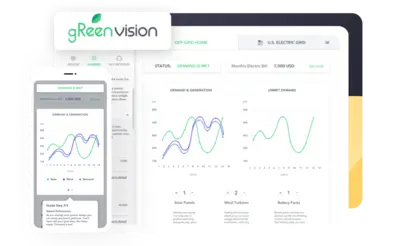
PlusDelta is a platform designed to facilitate contributions and gather feedback on meetings and events. It assists teams and executives in collaboratively planning, understanding, communicating, and measuring projects and performance. The platform combines user-friendly features with robust functionality to provide a seamless experience in a corporate environment.
Learn More
This rental application platform simplifies property management and tenant–landlord interactions. Built as an all-in-one solution for property professionals, landlords, and tenants, the platform required continuous support to maintain stability, performance, and security. Our team ensured seamless operation through monitoring, maintenance, and bug fixing.
Learn More
A simple stand-alone web application for real estate market research that connects to the main API and allows quick analysis of the whole address batch.
Learn More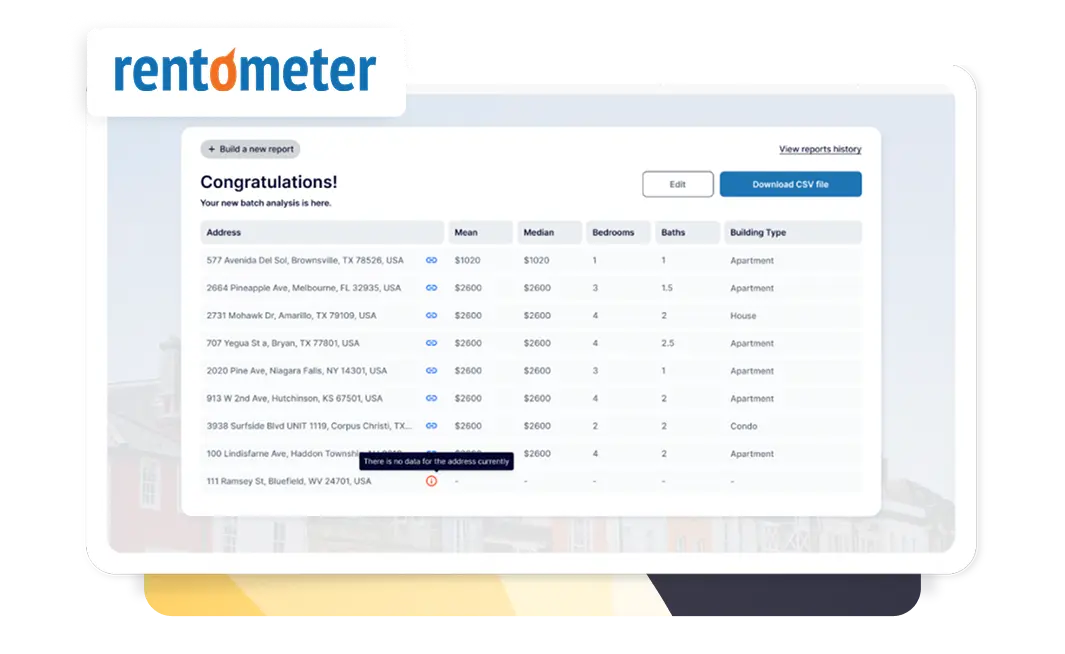
A residential roofing company specializing in roof replacement and repair services provides homeowners and property owners with safe, high-quality, and professional solutions under one roof.
Learn More
Concierge Auctions — the world’s largest luxury real estate auction marketplace, backed by Sotheby’s and Compass — built Instant Gavel, a fully digital platform for luxury property auctions. Designed for the $1M–$3M market, it helps sellers maximize value while giving buyers a seamless, transparent auction experience. ORIL enhanced the platform, introduced new capabilities, and built a scalable foundation for end-to-end luxury real estate auctions.
Learn More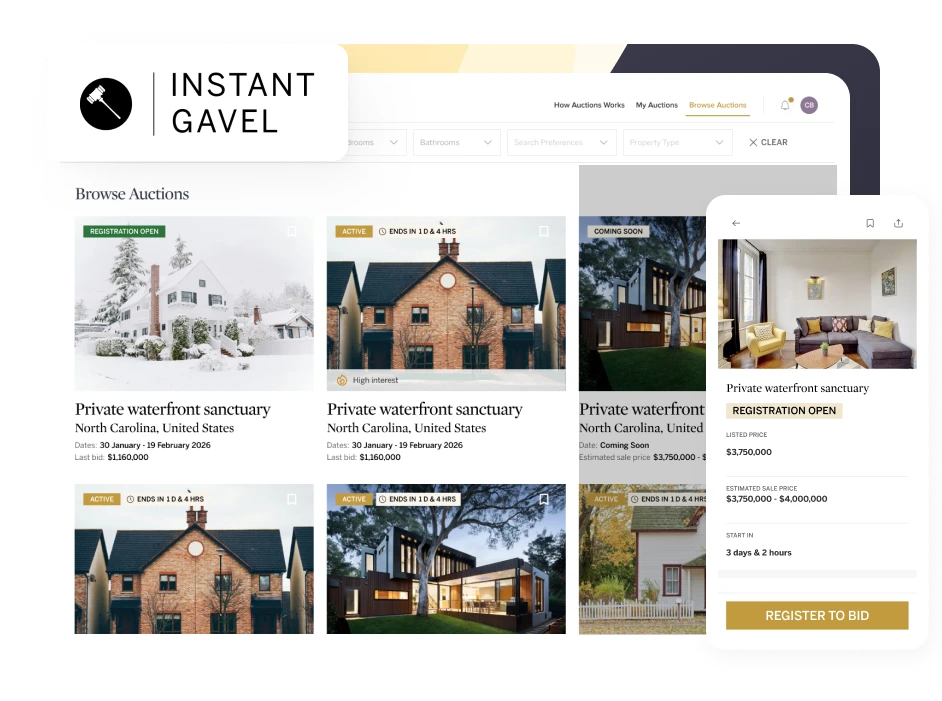
Parity specializes in remotely controlling and optimizing HVAC (Heating, Ventilation, and Air Conditioning) systems in residential buildings to deliver automatic energy savings. By combining IoT hardware, real-time data processing, and advanced analytics, Parity enables property owners and operators to reduce energy consumption, lower operational costs, and improve tenant comfort.
Learn More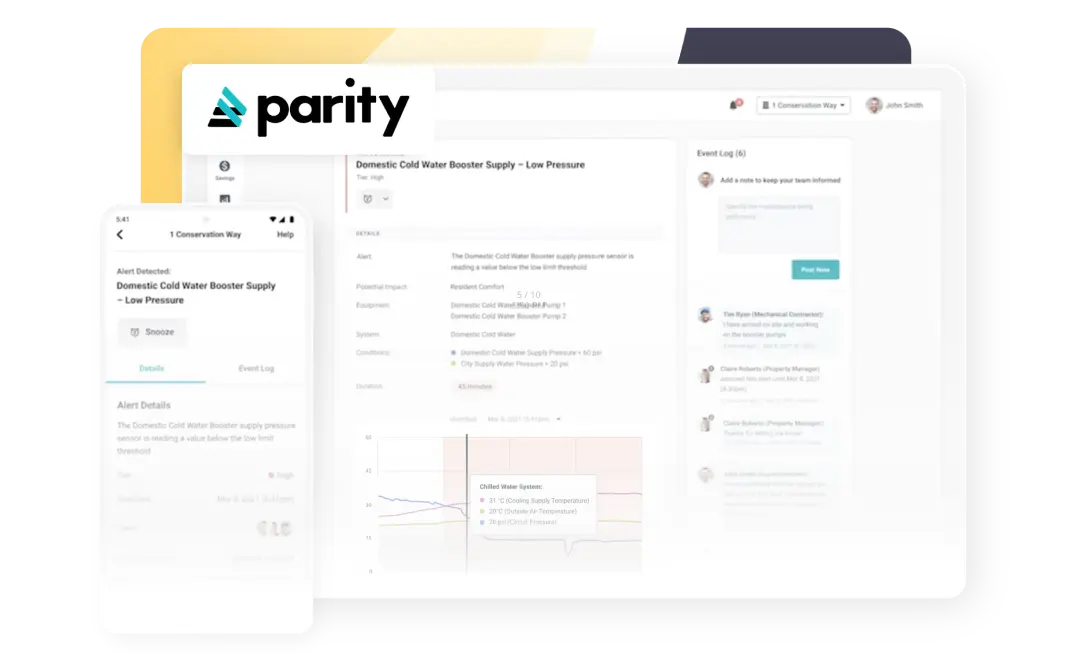
Smarta platform connects college student renters and property managers making the completely online process of discovering and leasing off-campus housing properties smooth and easy.
Learn More
Tell us where your business is today, what needs to change, and where you want to go. ORIL can help define the transformation roadmap and identify the technology initiatives needed to move forward.

26 Jul, 2026 · 9 min read
2 Oct, 2026 · 11 min read
It’s coordinated change across business processes, technology, data, and digital experiences — not simply replacing software. In practice, that usually means some combination of legacy modernization, workflow automation, system integration, and new digital products working together.
Current-state assessment, strategy and roadmap development, architecture planning, legacy modernization, automation, system integration, digital product development, and ongoing optimization after launch.
Start with an assessment of the current environment, then define business priorities, identify technology gaps, set target capabilities, and build a roadmap with implementation priorities and measurable KPIs. Strategy without an honest assessment first tends to miss the real bottlenecks.
Prioritized initiatives, target architecture and capabilities, dependencies, technology decisions, implementation phases, required resources, risks, and the outcomes you’ll measure success against.
Through incremental modernization rather than a full rebuild — APIs, migration, component replacement, and architecture improvements that let new capabilities coexist with systems still in use, reducing disruption along the way.
By analyzing existing workflows, redesigning the ones that create bottlenecks, and integrating the systems involved so repetitive operational tasks run automatically instead of manually.
Through integration architecture built on APIs, data mapping, business rules, authentication, and permissions — designed to create reliable data flows between systems rather than one-off connections that break under load.
AI is one capability within a broader transformation, not the transformation itself — useful for analytics, document processing, forecasting, search, recommendations, and assistants. For a deeper look at AI specifically, explore our AI Enablement expertise.
It depends on the objective. Common measures include process time, manual effort reduced, adoption rates, operational cost, data quality, customer experience, scalability, and the specific business or product metrics tied to the initiative.
It depends on scope — the legacy environment, number of integrations, processes involved, products in play, and how much organizational change is required. Transformation is usually phased rather than delivered on a single fixed timeline.
No spam
100% Useful content, always
By subscribing, you agree to receive emails from ORIL and acknowledge our Privacy Policy

